

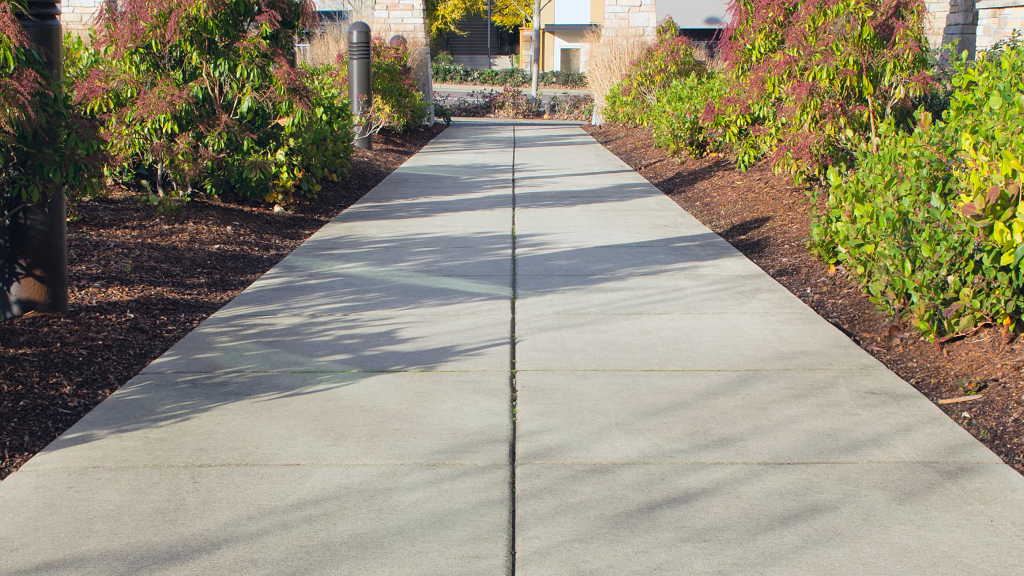
Concrete sidewalks are a long-term investment for both residential and commercial properties. When properly installed, they provide decades of reliable performance. However, even the best concrete sidewalks require ongoing care to maintain safety, appearance, and structural integrity over time.
In Northern Colorado, sidewalks face unique challenges. Freeze–thaw cycles, moisture, soil movement, snow removal, and daily foot traffic all affect how long a sidewalk lasts. Without proper maintenance, small issues can turn into costly repairs or premature replacement.
At Cesars Concrete, we work with homeowners, HOAs, apartment complexes, offices, and retail properties across Loveland, Fort Collins, and surrounding areas. This guide explains how concrete sidewalks age, what impacts their lifespan, and how proper maintenance helps extend their service life for both residential and commercial properties.
How Long Do Concrete Sidewalks Typically Last?
A professionally installed concrete sidewalk can last 25 to 40 years or more. Longevity depends on several factors, including installation quality, environmental conditions, usage, and maintenance practices.
Concrete sidewalks tend to last longer when:
- The base is properly prepared
- Drainage is addressed correctly
- Control joints are placed accurately
- Routine maintenance is performed
Sidewalks that receive regular attention often outperform those that are ignored, even in harsh climates.
Residential vs Commercial Sidewalk Longevity
Concrete sidewalks serve different purposes depending on the property type, which affects how they age.
Residential Sidewalk Longevity
Residential sidewalks typically experience lighter foot traffic. When maintained properly, they can remain functional and visually appealing for decades. Most issues arise from environmental factors rather than usage.
Commercial Sidewalk Longevity
Commercial sidewalks experience higher foot traffic and must meet safety and accessibility expectations. Because of this, commercial sidewalks may show wear sooner but are often designed with additional durability in mind.
Commercial property owners benefit significantly from proactive maintenance, as it helps reduce liability risks and long-term repair costs.
Factors That Impact Concrete Sidewalk Lifespan
Several conditions influence how long a sidewalk lasts.
Climate and Freeze–Thaw Cycles
In Northern Colorado, temperature fluctuations cause concrete to expand and contract. Water that penetrates the surface can freeze, expand, and create internal stress. Over time, this contributes to cracking and surface wear.
Soil Conditions and Drainage
Poor drainage allows water to pool beneath the sidewalk, leading to erosion and settlement. Proper grading and drainage are essential to long-term performance.
Foot Traffic and Usage
Higher foot traffic accelerates wear, particularly for commercial properties. Entryways, shared walkways, and access points typically require more frequent inspections.
Installation Quality
Sidewalks installed with poor base preparation or incorrect joint placement tend to deteriorate faster. Professional installation plays a major role in long-term durability.
Common Signs of Sidewalk Wear and Deterioration
Recognizing early warning signs allows property owners to address issues before they worsen.
Cracking
Hairline cracks are common and often cosmetic. Wider or spreading cracks may indicate deeper issues that require attention.
Surface Scaling or Flaking
Surface deterioration may appear as flaking or rough patches. This is often caused by moisture exposure and freeze–thaw cycles.
Uneven or Sunken Sections
Settlement can create trip hazards and accessibility concerns, especially for commercial properties.
Pooling Water
Standing water on the surface or near edges suggests drainage issues that should be corrected promptly.
Concrete Sidewalk Maintenance Best Practices
Proper maintenance helps maximize sidewalk lifespan and reduce long-term costs.
Routine Cleaning
Removing dirt, debris, and organic material helps prevent moisture retention and surface wear. Both residential and commercial sidewalks benefit from periodic cleaning.
Sealing the Surface
Sealing protects concrete from moisture penetration and surface damage. This is especially helpful in climates with frequent freeze–thaw cycles.
Joint Maintenance
Keeping control joints clear allows the concrete to expand and contract as designed, reducing uncontrolled cracking.
Prompt Crack Monitoring
Addressing minor cracks early helps prevent water intrusion and larger structural issues.
Seasonal Maintenance Considerations
Sidewalk maintenance should adjust with the seasons.
Winter Care
Avoid harsh deicing products that can damage the surface. Use appropriate snow removal techniques to prevent surface abrasion.
Spring Inspections
Spring is an ideal time to inspect sidewalks for damage caused by winter conditions.
Summer Maintenance
Warm, dry weather is ideal for sealing and minor repairs.
Fall Preparation
Clearing debris and addressing drainage before winter helps reduce cold-weather damage.
When Maintenance Is No Longer Enough
Even well-maintained sidewalks eventually reach a point where repairs are no longer effective.
Indicators that replacement may be needed include:
- Widespread cracking
- Multiple uneven sections
- Ongoing drainage problems
- Safety or accessibility concerns
If you are unsure whether maintenance or replacement is the right option, reviewing concrete sidewalk cost information can help with planning and budgeting decisions.
Maintenance vs Replacement: Planning Long-Term Value
For many property owners, the decision comes down to cost versus longevity.
Routine maintenance helps delay replacement and preserve performance. However, repeated repairs may eventually cost more than installing a new sidewalk designed to current standards.
Understanding concrete sidewalk installation requirements and modern construction methods helps property owners evaluate long-term value more accurately.
Sidewalk Maintenance for Commercial Properties
Commercial sidewalks require a proactive approach.
Best practices include:
- Scheduled inspections
- Prompt repairs to reduce liability risks
- Documentation of maintenance efforts
Commercial property managers benefit from planning maintenance alongside long-term budgeting for concrete sidewalk cost and future upgrades.
Preventing Premature Sidewalk Damage
While no sidewalk lasts forever, proper planning and care reduce premature deterioration.
Prevention strategies include:
- Proper installation techniques
- Adequate drainage design
- Consistent maintenance schedules
- Professional evaluations
These steps significantly extend sidewalk lifespan and reduce long-term expenses.
Why Professional Guidance Matters
Concrete sidewalk longevity is not just about materials. It involves understanding:
- Local climate conditions
- Soil behavior
- Traffic patterns
- Maintenance planning
Working with an experienced contractor ensures sidewalks are installed and maintained to perform well over time.
Frequently Asked Questions About Concrete Sidewalk Longevity
How long should a concrete sidewalk last?
With proper installation and maintenance, concrete sidewalks can last 25 to 40 years or more.
Does sealing really make a difference?
Yes. Sealing helps protect against moisture intrusion and surface damage, particularly in freeze–thaw climates.
Are commercial sidewalks maintained differently than residential ones?
Commercial sidewalks typically require more frequent inspections and maintenance due to higher foot traffic and safety requirements.
When should a sidewalk be replaced instead of maintained?
Replacement is often recommended when damage is widespread, recurring, or affecting safety and accessibility.
Request Your Free Concrete Sidewalk Evaluation Today
Concrete sidewalk longevity depends on proper installation, regular maintenance, and timely repairs. Cesars Concrete works with homeowners, HOAs, and commercial property managers to evaluate sidewalk conditions and recommend practical solutions.
If you are planning maintenance, repairs, or long-term upgrades, request your free estimate today to receive expert guidance tailored to your property.


