

When planning a new walkway, both residential and commercial property owners often compare concrete walkways and paver walkways. Each option can improve accessibility, safety, and overall appearance, but they differ significantly in upfront cost, long-term maintenance, and how well they perform over time, especially in Northern Colorado’s freeze-thaw climate.
At Cesars Concrete, we install concrete walkways for homes, HOAs, apartment complexes, office buildings, and retail properties throughout Loveland, Fort Collins, and surrounding areas. This guide breaks down the real differences between concrete walkways and pavers so homeowners, property managers, and business owners can make a well-informed decision based on cost, performance, and long-term value.
Concrete Walkway vs Pavers: Understanding the Basics
A concrete walkway is poured in place as a continuous surface. Once cured, it forms a single, solid path designed to handle foot traffic, weather exposure, and seasonal movement.
A paver walkway is constructed using individual stones or bricks installed over a layered base system. Each paver is placed by hand, with joint sand filling the gaps between pieces.
While both options can look attractive, their installation methods directly affect:
- Installation cost
- Long-term maintenance
- Surface stability
- Performance in freeze-thaw conditions
- Suitability for residential versus commercial use
Understanding these differences is key before choosing a walkway material.
Upfront Cost Comparison: Concrete Walkway vs Pavers
Concrete Walkway Cost
Concrete walkways typically have a lower upfront cost for both residential and commercial projects. The installation process is efficient and scalable, making concrete a practical option for:
- Residential front walkways and side yards
- HOA and apartment complex pathways
- Commercial building entrances
- Office and retail pedestrian access routes
Because concrete is poured in place, it requires fewer individual materials and less labor time than pavers. For longer walkways or multi-section projects, this cost efficiency becomes even more noticeable.
Paver Walkway Cost
Paver walkways generally cost more to install. Each paver must be set individually over a compacted base system, which includes multiple layers of material. This increases both labor and material costs.
For small residential areas, this may be manageable. However, on larger residential or commercial walkways, the cost difference between pavers and concrete can be significant.
Local Cost Comparison: Loveland & Fort Collins
Installation Cost, Maintenance, and Performance Overview
| Feature | Concrete Walkway (Loveland / Fort Collins) | Paver Walkway (Loveland / Fort Collins) |
|---|---|---|
|
Typical installation cost (per sq ft) |
$8–$14 depending on finish and site prep |
$14–$25+ depending on paver type and base depth |
|
Cost efficiency at scale |
More cost-effective for long or commercial walkways |
Higher cost due to labor-intensive installation |
|
Installation time |
Faster for residential and commercial projects |
Slower, especially for multi-section layouts |
|
Ongoing maintenance |
Low; cleaning and optional sealing |
Moderate to high; joint sand and weed control |
|
Expected lifespan |
25–40+ years with proper installation |
20–30 years depending on base stability |
|
Freeze-thaw performance |
Performs well with proper base prep |
More prone to shifting and settling |
|
Surface stability |
Continuous, even surface |
Can become uneven over time |
|
Best fit |
Homes, HOAs, apartments, offices, retail |
Small residential areas with light traffic |
These ranges reflect typical residential and light commercial projects in Northern Colorado. Site conditions, drainage, reinforcement, and decorative finishes can affect final pricing.
Maintenance Requirements Over Time
Concrete Walkway Maintenance
Concrete walkways are known for being low maintenance, which is why they are widely used for both residential and commercial properties.
Typical maintenance includes:
- Routine cleaning to remove dirt and debris
- Optional sealing every few years to protect the surface
- Monitoring small cracks and addressing them early if needed
For commercial properties, lower maintenance means fewer disruptions for tenants, customers, and staff, as well as lower long-term operating costs.
Paver Walkway Maintenance
Paver walkways require ongoing attention. Over time, joint sand can wash out, weeds can grow between pavers, and the base can shift due to freeze-thaw cycles.
Common maintenance tasks include:
- Replacing joint sand
- Weed control
- Re-leveling sunken pavers
- Addressing uneven walking surfaces
For HOAs and commercial properties, this recurring maintenance can become costly and may raise safety and liability concerns.
Longevity and Durability in Northern Colorado’s Climate
Northern Colorado’s climate places unique stress on outdoor surfaces. Freeze-thaw cycles, snow removal, and regular foot traffic all affect how long a walkway lasts.
Concrete Walkway Longevity
A professionally installed concrete walkway can last 25 to 40 years or more. When poured on a properly prepared base, concrete resists movement and maintains surface stability through seasonal temperature changes.
Concrete performs especially well for:
- High-traffic residential areas
- Commercial walkways with daily foot traffic
- Properties that require consistent, level surfaces
Minor cracking may occur over time, but this is typically manageable and does not affect overall functionality when addressed early.
Paver Walkway Longevity
Pavers are durable individually, but the system beneath them is more susceptible to movement. Freeze-thaw cycles can cause the base material to shift, leading to uneven surfaces.
On larger walkways or commercial properties, these issues tend to appear more frequently, increasing long-term maintenance needs.
Appearance and Design Options
Concrete Walkway Design Options
Modern concrete walkways offer a wide range of design choices for both residential and commercial properties, including:
- Broom finish for clean, professional surfaces
- Exposed aggregate for added texture and slip resistance
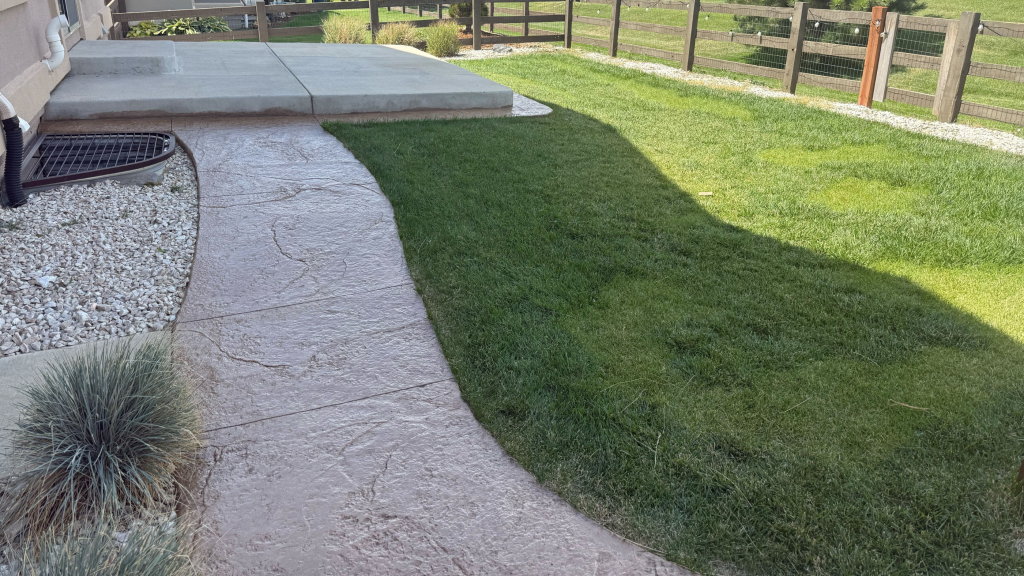
- Stamped concrete that mimics stone, brick, or pavers
- Color options to complement building exteriors
Stamped concrete walkways are often chosen for commercial properties that want a decorative look without the maintenance challenges of individual pavers.
Paver Walkway Design Options
Pavers offer pattern variety and color choices, which can work well for small residential projects. However, maintaining a uniform appearance becomes more difficult as pavers shift over time, particularly on larger properties.
Safety, Accessibility, and Surface Stability
Safety is a key concern for both residential and commercial walkways.
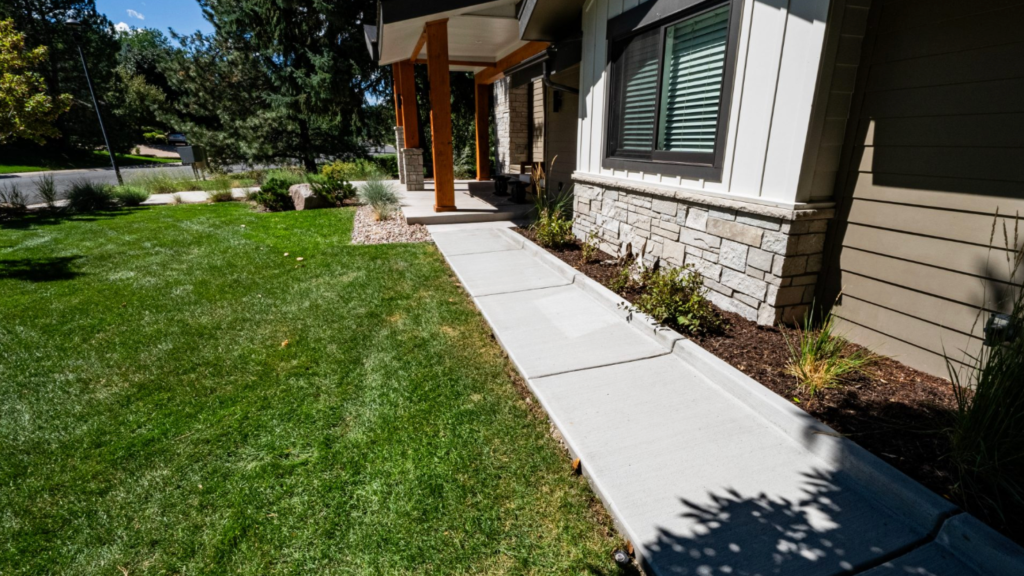
Concrete walkways provide a continuous, even surface, reducing trip hazards and supporting accessibility requirements. Proper finishing techniques also improve traction in wet or icy conditions.
Paver walkways can become uneven as pavers settle or shift, increasing the risk of tripping. This can be especially concerning for commercial properties, HOAs, and public-facing spaces.
Which Option Is Better for Residential and Commercial Walkways?
Concrete walkways are often the better choice when you want:
- Lower upfront and long-term costs
- Minimal maintenance requirements
- Stable surfaces for high foot traffic
- Strong performance in freeze-thaw climates
- Pavers may still be suitable when:
- The walkway is small and lightly used
- Design detail is the top priority
- Ongoing maintenance is planned and budgeted
For many homeowners, HOAs, and commercial property owners in Loveland and Fort Collins, concrete walkways provide the best balance of durability, appearance, and long-term value.
Frequently Asked Questions
What is the average cost of a concrete walkway in Loveland or Fort Collins?
Concrete walkways typically cost $8 to $14 per square foot, depending on finish, thickness, and site preparation.
Are paver walkways more expensive than concrete?
Yes. Paver walkways often range from $14 to $25 or more per square foot due to labor-intensive installation and base preparation.
Which walkway option requires less maintenance?
Concrete walkways generally require less maintenance than pavers, especially in freeze-thaw climates like Northern Colorado.
Which option lasts longer?
Concrete walkways typically last longer when properly installed, particularly for high-traffic residential and commercial applications.
Are concrete walkways suitable for commercial properties?
Yes. Concrete walkways are widely used for apartment complexes, retail centers, office buildings, and other commercial properties due to their durability and low maintenance needs.
Talk With a Local Concrete Walkway Contractor
Choosing the right walkway material affects long-term cost, safety, and maintenance. Cesars Concrete works with homeowners, builders, HOAs, and commercial property managers to install concrete walkways designed for Northern Colorado conditions.
If you are planning a residential or commercial walkway project, request your free estimate today to discuss your options and determine the best solution for your property.


